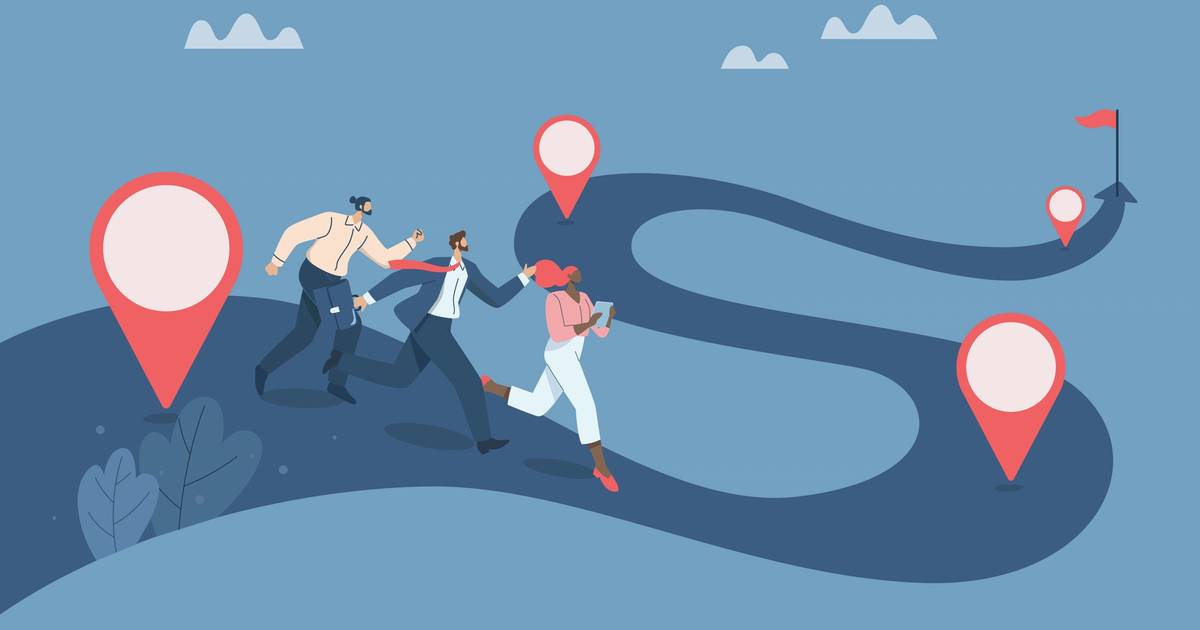



The employee experience doesn’t begin on a new hire’s first day or end with their exit interview. It’s shaped by every interaction, from the moment someone encounters your employer brand to the day they join your alumni network. For HR leaders, managing this journey well goes beyond logistics; it’s a strategic imperative.
Employee lifecycle management offers a connected, intentional framework for aligning people strategy with business strategy. A modern employee lifecycle management process improves talent attraction, accelerates onboarding, deepens engagement, drives productivity, and supports continuous development and growth, all while giving the HR team the agility to adapt in real time and demonstrate measurable business impact.
Key Takeaways
Modern employee lifecycle management connects every stage of the employee journey to business strategy.
High-performing HR teams use ELM to build alignment, agility, and measurable impact across the organization.
Feedback, growth, and manager enablement operate across every stage of the lifecycle, not as standalone programs, but as integrated, strategic levers.
A modern ELM approach helps HR move beyond checklists to create experiences that engage, retain, and evolve top talent.
Strategic, connected lifecycle management is the foundation for scalable culture and performance.
What is employee lifecycle management?
Employee Lifecycle Management (ELM) is the foundation for building high-performing, people-first organizations. It’s a strategic, end-to-end approach to managing every phase of the employee experience, from first impression to final offboarding and beyond.
At its core, ELM connects each stage of the employee journey to measurable business outcomes. Whether you’re attracting talent, enabling growth, or planning for succession, every touchpoint becomes an opportunity to align expectations, strengthen engagement, and fuel company growth.
Different ELM models may emphasize different stages, from the classic Attract-Hire-Onboard-Develop-Retain-Exit structure to more nuanced frameworks that include phases like Engage, Recognize, and Transition. But no matter the model, effective ELM brings together key talent functions—workforce planning, performance management, learning and development, succession, and more—into a cohesive, continuous system.
Modern lifecycle management is dynamic by design. It’s powered by continuous feedback, manager enablement, and real-time performance data. Increasingly, AI is enhancing this process by surfacing trends, personalizing the employee experience, and helping HR leaders make smarter, faster decisions.
With the right tools and strategy, ELM becomes more than just a hypothetical model. It serves as the operational engine that helps organizations scale culture, unlock potential, and deliver business value through every stage of the employee journey.
6 core stages of the employee lifecycle
The most effective HR teams treat the lifecycle as a dynamic, connected system—not a series of isolated tasks—ensuring each stage reinforces performance, engagement, and retention.
1. Attraction
Attracting top talent begins well before a job opening is posted. It’s shaped by how the organization presents its mission, values, and culture across public channels. Employer branding and talent marketing play a critical role in building awareness and drawing the right people in. For teams looking to deepen engagement early in the journey, this can be supported by targeted employee engagement ideas. Storytelling becomes a key tool here—when done authentically, it gives prospective candidates a glimpse of what it means to be part of the team.
2. Recruitment
The recruitment stage translates early interest into action. A well-structured hiring process ensures alignment with business needs while delivering a fair, inclusive experience for candidates. Clear job expectations, thoughtful communication, and consistent feedback loops help build trust and reduce uncertainty. Done right, the recruiting process builds momentum before an offer is even made.
3. Onboarding
The onboarding process sets the tone for the entire employee journey. This stage goes beyond paperwork—it’s where new hires begin to feel connected, confident, and clear on their role. A strong onboarding experience accelerates time to productivity, reinforces company values, and builds early trust through manager support and peer connections.
4. Development
Employee development is where potential turns into performance. Ongoing skills development, mentorship, and internal mobility opportunities allow employees to grow in meaningful ways. Clear growth paths and continuous feedback help employees understand what’s next, while learning goals tied to team and business outcomes ensure development stays aligned with strategy. To take action, explore these practical ideas to support employee career growth.
5. Retention and engagement
Retention is driven by purpose, not perks. Organizations that foster trust, clarity, belonging, and help employees feel they are doing meaningful work keep top talent engaged over time. Empowering managers to lead intentionally, supporting two-way communication, and building a culture of recognition all contribute to long-term retention. Work-life balance and employee satisfaction are the result of employees feeling seen, supported, and aligned.
6. Offboarding and alumni
The offboarding process often marks the end of the formal employee journey, but it doesn’t have to be the end of the relationship. When exits are handled with care, they protect the brand and create pathways for alumni advocacy or future rehiring. Collecting feedback during this stage also reveals valuable insights into culture, process, and areas for growth. It’s an opportunity to maintain positive relationships and extend the value of employee experiences.
11 Employee lifecycle management best practices
An intentional approach to employee lifecycle management starts with clear systems and reliable data. These best practices help HR leaders improve how people are hired, supported, and developed across every stage. They’re designed for long-term results—not just one-time fixes—and reflect the mindset today’s leaders need to keep teams aligned and engaged.
Designing each stage to flow into the next
Lifecycle stages often operate in silos. Recruiting may have little connection to onboarding, and offboarding is rarely designed with care. When one stage flows into the next, employees experience fewer disconnects, and HR teams gain a clearer view of what’s working. A smooth handoff across each transition builds confidence and trust, keeping teams productive and engaged.
Embedding continuous feedback and clear communication
Waiting for annual reviews doesn’t cut it. Today’s employees want regular input that helps them stay on track and feel valued. Make feedback part of the everyday workflow: weekly check-ins, project retros, and informal pulse conversations. Clear, timely communication reinforces accountability and improves outcomes.
Equipping managers to lead across the lifecycle
Managers play a central role in employee experiences, but they can’t lead without support. Give them clear expectations and hands-on tools to navigate each stage—from onboarding new hires to handling tough exit conversations. When managers are prepared, employees are more likely to feel supported, motivated, and loyal.
Using real-time data to adapt and improve
Data gives HR teams the visibility they need to act fast. Whether it’s spotting turnover risks, tracking development outcomes, or understanding engagement dips, access to real-time insights leads to smarter decisions. Use an employee survey tool to collect feedback early and often, and respond before issues grow.
Linking performance and growth to business impact
Performance reviews and development conversations carry more weight when they connect to strategic goals. Show how employee development contributes to business metrics like productivity, revenue, or retention. This keeps talent initiatives aligned with leadership priorities and positions HR as a growth partner.
Personalizing employee experiences across the lifecycle
Career journeys aren’t one-size-fits-all. Tailor learning paths, recognition, and support based on role, level, or location. Personalization makes every step of the employee lifecycle more relevant and meaningful, and signals that the organization sees each person as more than a headcount.
Integrating feedback and performance conversations at every stage
Feedback fuels progress. By building performance conversations into each stage of the lifecycle, you create more consistent alignment between employees and managers. It also reduces surprises and keeps growth goals top of mind, helping people make progress faster.
Demonstrating ROI on employee lifecycle initiatives
Leaders want proof. When you launch a new onboarding process or refresh the learning strategy, make sure you can connect it to business results. Whether that’s increased job satisfaction, improved internal mobility, or reduced churn, measuring outcomes turns lifecycle work into strategic wins.
Aligning lifecycle efforts with DEI&B goals
Diversity, equity, inclusion, and belonging should show up in every employee touchpoint—not just in standalone initiatives.Build DEI&B into your systems, from hiring to promotion, offboarding, and listening to employees.This strengthens trust, broadens representation, and shapes a culture where people want to stay.
Auditing lifecycle touchpoints regularly
The needs of your people—and your business—are always changing. Review your employee lifecycle management process at regular intervals. Audit onboarding surveys, exit interviews, engagement scores, and program usage. Use that insight to keep each stage current and effective.
Creating cross-functional ownership
Lifecycle work shouldn’t fall on HR alone. Partner with functional leaders to make the employee experience a shared priority. When managers and executives across departments take ownership of onboarding, development, and engagement, people feel supported — and the business sees results.
Why HR needs a strategic, connected ELM approach
A successful employee lifecycle management strategy depends on visibility, alignment, and the ability to act on what matters most across every stage. Traditional lifecycle models rely on siloed processes and static programs. A connected approach enabled by continuous performance management unlocks real-time alignment between people and business priorities.
Break down silos to build momentum
Disconnected systems create friction, delays, and inconsistent experiences. When lifecycle programs are isolated—like onboarding in one system and performance reviews in another—teams miss the opportunity to build sustained engagement and clarity. A connected strategy reduces that friction and enables more consistent momentum throughout the employee journey.
Unify for agility and alignment
When systems are connected, HR teams can see how engagement affects performance, how development influences retention, and where to intervene. This kind of visibility helps leaders act quickly, based on what’s really happening — not just what’s reported later.
Make lifecycle strategy a driver of business results
A well-run employee lifecycle management HR strategy helps drive culture, performance, and retention. When the systems supporting each stage are connected, HR leaders can link people outcomes to business goals—and show real impact in boardroom conversations.
Use AI to power a more responsive system
AI is helping HR leaders move faster and make smarter decisions. Whether it’s spotting signs of burnout early or suggesting personalized development plans, AI can surface insights that would otherwise go unnoticed. This makes the entire employee lifecycle more responsive, targeted, and scalable.
Start small, scale intentionally
Employee lifecycle management best practices don’t require a total overhaul on day one. The most successful teams identify one stage of the employee lifecycle that’s underperforming—whether it’s the hiring process, learning and development, or retention—and start there. Small wins build momentum. Over time, intentional changes across the lifecycle create a connected system that supports a long-term people strategy.
Learn more about how to promote the middle of your employee lifecycle — your talent engagement strategy — by integrating your talent management and performance management strategies.
Support ELM by marrying talent management with performance management