The HR trends for 2026: what I’m seeing as an HR & Well-being Manager in summary:
This blog explores the key HR trends shaping 2026, including the rise of job hugging, increasing employee disengagement, the growing role of AI in HR, and major UK employment law changes. It explains what these shifts mean for HR teams and how to prepare for the year ahead.
Every year, the internet churns out endless lists of HR trends for the year ahead. Some are useful. Some are obvious. Some feel like they were generated by someone who hasn’t spoken to an employee since 2009…
But 2026 feels a bit different… maybe even a little daunting. The economy’s stalling, recruitment is slowing, and job security feels about as stable as a three-legged chair. And, beyond the office walls, we’re seeing societal shifts that only add to the unpredictability. However, from where I’m sitting as an HR & Well-being Manager, a few themes are starting to take shape: some exciting, some concerning, and some sitting firmly in the “hmm, not sure yet” category.
So, what do I think are the key themes and trends to look out for in 2026? Here’s what I believe will define people operations over the next 12 months: from job-hugging and disengagement, to AI in HR and the sweeping upcoming UK employment law changes.
1. The rise of “job hugging”: the 2026 retention trend no one wants
One HR trend that keeps popping up – and not in a good way – is the rise of job hugging. And no, it’s not as comforting as it sounds. It’s not employees lovingly embracing their roles; it’s people clinging onto jobs they don’t actually want.
With concerns about the economy, the job market wobbling, and recruitment slowing down, employees are choosing to stay put out of necessity rather than passion. That’s where the risk lies.
Why job hugging matters for HR teams in 2026
Normally, unhappy employees leave. They look for something new, they move on, and everyone can quietly recalibrate. But much like we saw with the rise in resenteeism a couple of years back, in 2026, those same employees may stay longer – even when they really, really don’t want to.
This is potentially a recipe for disaster brewing in plain sight, because it can lead to genuinely big problems, including:
- Employee disengagement running wild
- Productivity dips without any formal intervention
- Negativity spreads, seeping into team dynamics and leading to toxic cultures
- Resentment builds, especially when employees feel stuck.
What’s particularly tricky is this: your retention numbers might look brilliant on paper. Turnover is down. Vacancies are low. “Everything’s stable!” Awesome! Except it isn’t. Under the surface, morale is wobbling. Employees are emotionally checked out but physically present – the worst kind of presenteeism.
How HR can spot job hugging early
In 2026, HR teams need to pay close attention to the subtle indicators, such as:
- A sudden drop in enthusiasm
- A high performer becoming quieter
- More complaints, fewer ideas
- People doing the bare minimum
- Team tension simmering under the surface
This trend isn’t going away, and addressing it means creating safe spaces for honesty, protecting wellbeing, and helping employees feel less “stuck” – even when the job market is.

2. AI in HR: an opportunity, a responsibility, and a huge 2026 learning curve
AI in HR might feel like an old headline at this point, but 2026 is the year it officially stops being optional, and that’s not necessarily a bad thing. What used to be the domain of tech teams is now creeping (or sprinting) into every corner of HR. If 2024 and 2025 were the warm-up acts, 2026 is when AI takes centre stage in how HR actually works.
AI should elevate HR, not replace it
Now, I say this a lot: AI isn’t here to do or indeed take HR’s job, it’s here to support HR’s job. The most effective HR teams in 2026 will use AI to:
- write drafts and content
- summarise policies and legislation
- streamline admin-heavy processes
- analyse patterns in people data
- strengthen wellbeing and engagement programmes
- free up time to focus on real human problems
But this only works if HR teams actually understand AI – not just in theory, but in practice. A big part of 2026 will be developing AI literacy, both within HR and across the wider workforce. And that brings us neatly to the next trend…
The compliance and regulatory bit (you knew it was coming)
There’s no shortage of scepticism around AI, and to be honest, a lot of it is understandable. People want to know that the tools they are using are safe, fair and properly monitored. This is exactly why clearer guardrails will matter. In 2026 we can expect closer scrutiny of:
- how organisations use AI
- what data AI tools access
- transparency around decision-making
- bias detection and fair outcomes
- security for employee and client data
And, HR isn’t just a user of AI. We’re becoming custodians of responsible use. That means:
- writing AI usage policies
- training employees in safe use
- assessing tools for risk
- setting boundaries around data
- ensuring fairness in AI-assisted decisions
It might feel a bit heavy, but it is a necessary step if HR wants to keep moving toward a strategic business partner role instead of being looked at as a cost centre. In fact, this shift gives HR one of the best opportunities yet to take the lead on digital transformation.
AI training for employees: the next workplace essential
Organisations will increasingly roll out AI training, not just for managers or technical teams, but for everyone. Call it workplace necessity, call it future-proofing… call it “please stop putting sensitive data into random free tools”. Either way, HR will lead the charge on responsible adoption.
3. Employment law changes for 2026: the big shift to day-one rights
Now onto the big legal shake-up coming our way: the UK employment law changes in 2026.*
The headline is simple but significant: key employment rights will become day-one rights, rather than kicking in after months and years… and that’s just the start.
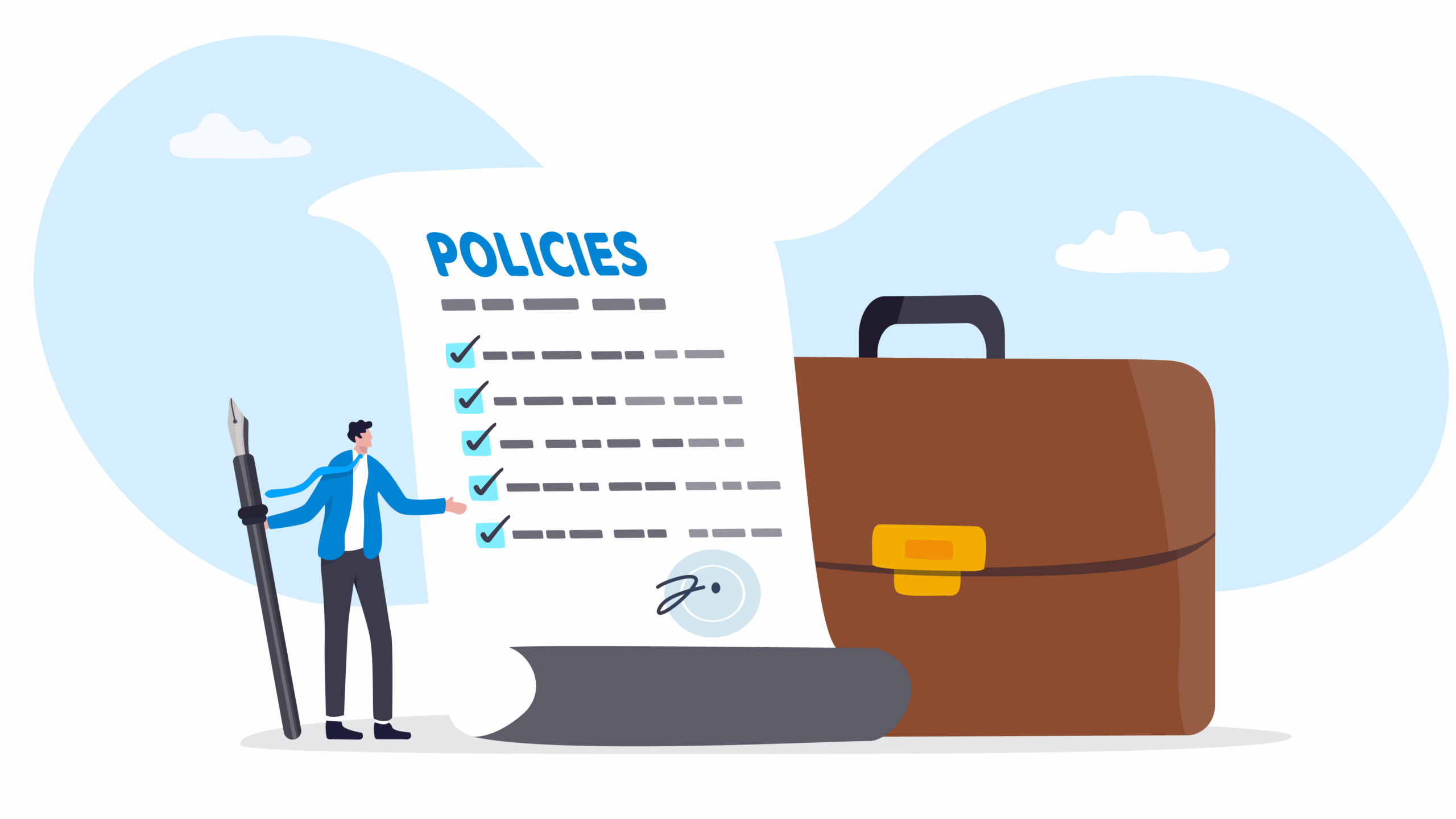
If your HR policies, contracts, and processes haven’t been reviewed yet… now’s the time.
What this means in practice
These changes touch areas like:
- unfair dismissal rights
- parental leave protections
- flexible working rights
- and other fundamental employment protections
For HR teams, this means a busy year of:
- policy updates
- handbook rewrites
- manager training
- onboarding process changes
- contract reviews
- ensuring fairness and consistency
It’s not small. But it is positive.
Fairness from day one… and why I’m fully behind it
Personally, I’ve always believed that employees deserve fairness and dignity from the moment they walk through the door; not after an arbitrary number of months. Our own organisation already treats people with equal respect from day one, so I’m glad UK legislation is moving in the same direction.
This shift will encourage better workplace culture, faster belonging, and higher trust – all things HR should be championing anyway.
* It’s worth noting that following the Budget on the 26th November, some of the expected changes may now not arrive until 2027; however, it’s still prudent to prepare now.
So, what do these HR trends mean for the future of HR in 2026?
Step back, and a clear picture emerges:
- Employees are staying in jobs they don’t want
increasing the risk of disengagement. - AI in HR is no longer optional
it’s a core skill set, a compliance issue, and a strategic advantage. - Employment law changes are reshaping rights
making fairness a day-one baseline, not a long-term reward.
In other words, 2026 will be a year where HR needs to balance:
- stability with change
- digital transformation with human connection
- compliance with culture
- and wellbeing with business needs
The good news? HR is in a stronger position than ever to influence what workplaces look like, not just now, but long into the future.


Kim Holdroyd
HR & Wellbeing Manager
Kim Holdroyd has an MSc in HRM and is passionate about all things HR and people operations, specialising in the employee life cycle, company culture, and employee empowerment. Her career background has been spent with various industries, including technology start-ups, gaming software, and recruitment.