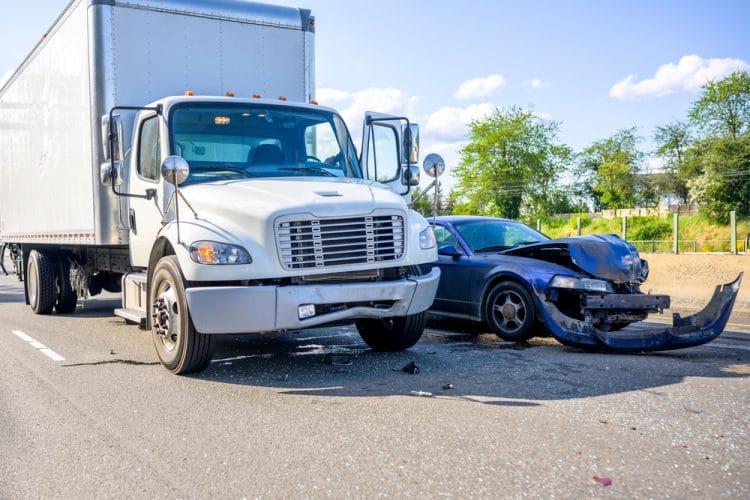




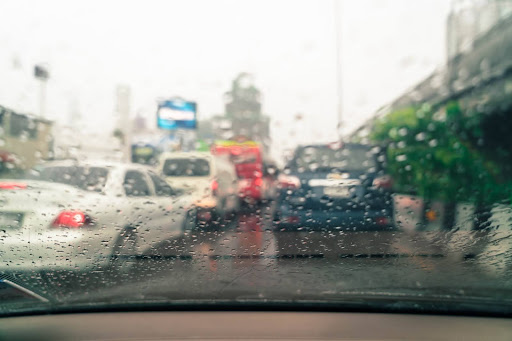
You’ve just been in a car accident during a rainstorm. As you exchange information with the other driver, they mention that the crash happened because of the weather. Many people assume accidents in bad weather are unavoidable acts of nature. The reality is more complex, especially when it comes to your insurance claim or potential lawsuit.
This article explores how weather-related crashes are evaluated by insurance companies, why driver responsibility still matters, and what steps you should take to protect your claim.
Whether it’s rain, snow, fog, or ice, poor weather doesn’t automatically remove liability. Understanding your rights and how insurers assess fault in these conditions can make a significant difference in the outcome of your case.
What Are The Common Weather Conditions That Contribute to Accidents?
Weather conditions play a significant role in car accidents. Certain weather patterns increase the risk of accidents due to changes in visibility, road conditions, and vehicle handling. Here’s a look at the common weather conditions that contribute to accidents:
Rain and Slick Roads
Rain creates immediate hazards on roadways. Water mixes with oil residue, creating a slippery surface that reduces tire traction significantly.
The first 30 minutes of rainfall are often the most dangerous, as accumulated oils rise to the surface but haven’t yet washed away. Hydroplaning, when your tires lose contact with the road and skim across standing water, can happen at speeds as low as 35 mph.
Snow and Ice
Winter weather presents obvious challenges for drivers. Snow accumulation makes lane boundaries unclear and requires greater stopping distances. Black ice, nearly invisible sheets of ice on roadways, poses an extreme hazard even to careful drivers.
Studies show that accident rates increase by 36% during snowfall, with most crashes occurring during the first snowfall of the season when drivers haven’t yet adjusted their habits.
Fog and Reduced Visibility
Few conditions are as deceptively dangerous as fog. Reducing visibility sometimes to less than a quarter-mile, fog creates depth perception issues that make it difficult to judge distances and speeds. National Highway Traffic Safety Administration data shows that over 38,000 crashes occur annually in foggy conditions, resulting in hundreds of fatalities.
High Winds and Debris
Strong winds don’t just affect high-profile vehicles like trucks and SUVs. Even compact cars can be pushed into adjacent lanes by sudden gusts exceeding 40 mph. Wind-blown debris, from tree branches to construction materials, creates hazards that appear with little warning, forcing drivers to make split-second decisions.
When you file a claim after a weather-related accident, you’ll quickly discover that insurance companies have a particular perspective on these incidents. They often categorize weather as a “contributing factor” rather than the primary cause. This seemingly subtle distinction can significantly impact your claim.
Insurance adjusters are trained to find ways to minimize company payouts. In bad weather scenarios, they commonly employ tactics that shift blame from the other driver to the conditions themselves. By characterizing the accident as primarily weather-caused, they aim to reduce liability payments.
Remember this crucial fact: bad weather doesn’t eliminate driver responsibility. Every driver has a legal duty to adjust their driving to match current conditions. Going the speed limit during a blizzard isn’t “following the law”, it’s potentially negligent behavior.
Proving Negligence Despite Poor Weather
The legal standard remains consistent regardless of weather conditions: drivers must exercise reasonable care appropriate to the situation. This means:
- Reducing speed below posted limits when visibility or traction is compromised
- Maintaining greater following distances
- Ensuring all vehicle equipment (headlights, wipers, tires) is functioning properly
- Avoiding unnecessary travel in severe conditions
Examples of negligence that commonly occur during bad weather include:
- Driving at normal speeds despite slick roads
- Following too closely during limited visibility conditions
- Failing to clear snow from windows, lights, or roof
- Not using headlights during rain or fog
- Ignoring weather advisories
To show another driver was at fault, you’ll need solid evidence. Take photos of the road, skid marks, and where the vehicles ended up.
If witnesses saw unsafe driving, their statements can help prove it wasn’t just the weather. Police reports also play a key role, they often note both the weather and how each driver was acting.
Experienced attorneys use several strategies to tackle weather-related defenses. They gather weather reports for the exact time and place of the accident, consult accident reconstruction experts to analyze physical evidence, and check the other vehicle’s maintenance records for issues like bald tires or broken wipers.
- Document everything thoroughly. Take photos showing not just vehicle damage but also weather conditions, road surfaces, and visibility issues. If there’s snow or standing water, capture it.
- Seek medical attention right away. Even if injuries seem minor, weather-related crashes often involve unique forces that can cause delayed-onset injuries.
- Avoid discussing fault at the scene. Simple statements like “This rain made it impossible to see” could later be used to suggest you couldn’t have avoided the accident either.
- Note any traffic violations by the other driver. Were their headlights off during heavy rain? Were they driving too fast for conditions? These details matter.
- Consider expert testimony. An accident reconstruction specialist can demonstrate how the other driver failed to adjust appropriately to conditions.
- Keep a detailed record of your damages. This includes medical bills, lost wages, vehicle repairs, and any ongoing treatment needs related to the accident.
- Contact a personal injury attorney before speaking with insurance adjusters. Their experience with weather-related claims can help you avoid common pitfalls.
With the right strategies and professional guidance, you can ensure your claim is fairly evaluated and your rights are protected.
When to Speak to an Attorney
For minor accidents, insurance companies might handle things on their own, but some situations need a lawyer. If the insurance company blames weather conditions instead of driver actions, an attorney can help shift the focus to who’s really at fault.
If your settlement doesn’t cover medical bills, lost wages, or car repairs, a lawyer can assess the offer and negotiate a better deal. They know what a fair settlement should look like.
For serious injuries requiring ongoing treatment, an attorney is essential. They can calculate future medical costs and make sure your claim includes long-term care. Lawyers ensure you’re fully compensated for your recovery.
If you need a Boston car accident lawyer, DiBella Law Injury and Accident Lawyers is the best choice. They offer a free consultation and work on a contingency fee basis, meaning you don’t pay unless they win your case.
Conclusion
Weather conditions may complicate car accident claims, but they don’t eliminate your right to compensation. Drivers are legally required to adjust their behavior to match road conditions, rain, snow, or sunshine.
When someone fails to drive appropriately for the weather and causes an accident, they can still be held liable.
Don’t let insurance companies use weather as an excuse to deny or reduce your legitimate claim. With proper documentation, expert assistance, and legal guidance, you can overcome weather-related defenses and receive fair compensation for your injuries and damages.
Author Bio
Christopher DiBella is the founding partner of DiBella Law Injury and Accident Lawyers. He knows the pain of injury from his own family’s experiences.
Chris earned his Bachelor’s degree from Boston University, graduating cum laude, and his J.D. from Suffolk University Law School. Among his many awards and recognitions are The National Trial Lawyers Top 25 Motor Vehicle Trial Lawyer, Top 100 Civil Plaintiff Lawyer, and Super Lawyers Rising Star.
With both skill and genuine empathy, Chris is dedicated to helping clients turn their struggles into successful outcomes.