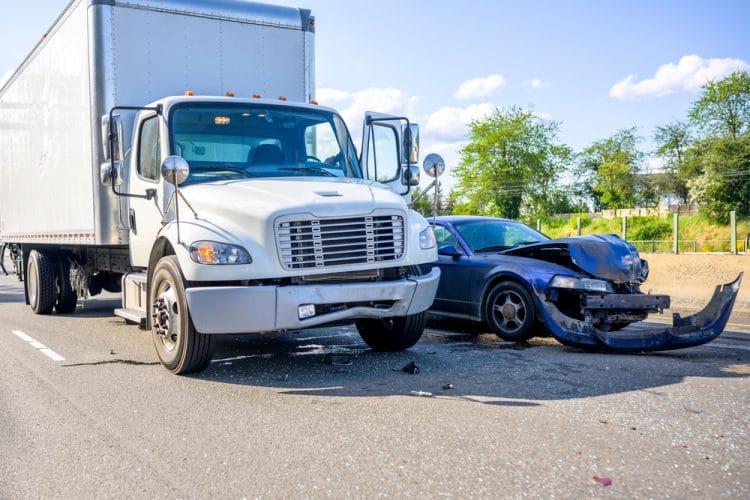




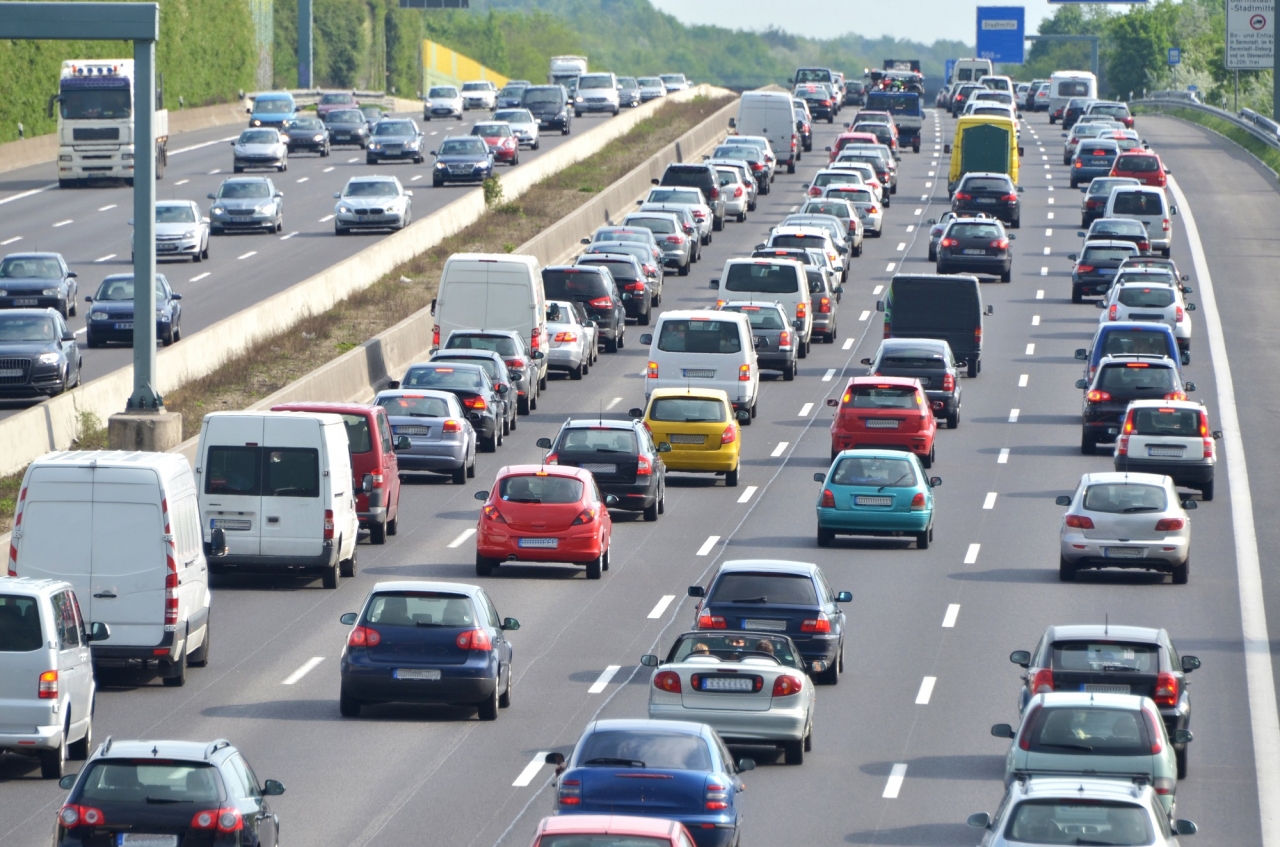
What are the key changes and future plans shaping road safety in the US? Over the past several years, significant advancements in vehicle safety technology, stricter regulations, and infrastructure improvements have contributed to a reduction in traffic-related fatalities, which dropped by 2% in 2022 according to the National Highway Traffic Safety Administration (NHTSA). At the same time, new legislation and innovative technologies are poised to further enhance road safety in the coming years. Let’s take a closer look.
Recent Changes in Road Safety and Legislation
Advancements in Vehicle Safety Technology
In recent years, vehicle safety technology has significantly advanced, primarily through the adoption of advanced driver-assistance systems (ADAS). Features like automatic emergency braking (AEB), which can reduce rear-end collisions by up to 50%, and lane-keeping assist (LKA) have become standard in many new vehicles.
According to the National Highway Traffic Safety Administration (NHTSA), these technologies have contributed to a noticeable decrease in traffic fatalities, with preliminary data showing a 2% reduction in 2022.
Infrastructure Improvements
Infrastructure improvements have played a crucial role in enhancing road safety across the US. The implementation of smart traffic management systems, which use AI and the Internet of Things (IoT) to optimize traffic flow, has led to a reduction in traffic congestion and accidents. For instance, cities like Los Angeles have reported a 10% decrease in traffic delays due to these systems.
The expansion of bike lanes and pedestrian-friendly infrastructure has also significantly improved safety for non-motorized road users. A study by the National Association of City Transportation Officials (NACTO) found that protected bike lanes reduce injury risk by 90% compared to streets without such infrastructure.
Stricter Regulations on Distracted Driving
In response to the alarming rise in distracted driving incidents, many states have enacted stricter regulations to curb this dangerous behavior. One of the most common reasons for traffic accidents is negligence, warns a West Virginia motorcycle accident attorney. For example, as of 2023, 48 states have banned texting while driving, and 24 states prohibit all handheld phone use while driving.
The effectiveness of these laws is evident. A study by the Insurance Institute for Highway Safety (IIHS) found that states with primary enforcement of texting bans saw a 4% reduction in traffic fatalities. Public awareness campaigns, such as the “U Drive. U Text. U Pay.” initiative by the National Highway Traffic Safety Administration (NHTSA), have further emphasized the dangers of distracted driving, contributing to a decline in related crashes and fatalities.
Enhanced DUI Laws
Recent years have seen significant enhancements to DUI laws aimed at reducing alcohol-related traffic incidents. Many states have lowered the legal blood alcohol concentration (BAC) limit to 0.05%, aligning with recommendations from the National Transportation Safety Board (NTSB).
Utah, the first state to implement this lower limit, reported a 19.8% decrease in fatal crashes since the law’s enactment in 2018. The widespread adoption of ignition interlock devices for first-time offenders has proven effective. Studies indicate these devices can reduce repeat DUI offenses by up to 70%. Increased sobriety checkpoints and harsher penalties have further deterred impaired driving, contributing to a nationwide decline in alcohol-related traffic fatalities.
Planned Changes and Future Trends
Development of Autonomous Vehicles
The development of autonomous vehicles (AVs) is rapidly progressing, with legislative efforts underway to establish a regulatory framework for their testing and deployment. As of 2023, over 40 states have enacted legislation or issued executive orders to support AV testing on public roads.
According to the National Highway Traffic Safety Administration (NHTSA), autonomous vehicles have the potential to reduce traffic accidents by up to 94%, as human error is a factor in the vast majority of crashes. Pilot programs in cities like Phoenix and Pittsburgh have shown promising results, with Waymo and Uber’s AV fleets logging millions of miles with significantly lower accident rates compared to human-driven vehicles.
National Vision Zero Initiatives
National Vision Zero initiatives, aimed at eliminating traffic fatalities and severe injuries, have gained momentum across the US. Cities like New York and San Francisco have adopted Vision Zero plans, leading to significant safety improvements. For instance, New York City reported a significant reduction in pedestrian fatalities since launching its Vision Zero initiative in 2014.
These initiatives involve comprehensive safety strategies, including redesigning streets, lowering speed limits, and enhancing enforcement of traffic laws. The Federal Highway Administration (FHWA) has also supported Vision Zero through funding and resources, encouraging more cities to adopt similar programs.
Improvements in Road Design and Maintenance
Significant improvements in road design and maintenance are enhancing safety and reducing accidents across the US. Increased federal and state funding, exemplified by the $110 billion allocated for roads and bridges in the 2021 Infrastructure Investment and Jobs Act, has enabled widespread upgrades. Modern road design standards, such as the implementation of roundabouts, have proven effective in reducing fatal crashes by up to 90%, according to the Federal Highway Administration (FHWA).
Enhanced Data Collection and Analysis
Advanced technologies, such as traffic cameras, sensors, and connected vehicle data, provide real-time insights into traffic patterns and incident hotspots. According to the National Highway Traffic Safety Administration (NHTSA), the use of big data analytics has led to a 15% reduction in traffic fatalities in areas where these technologies have been implemented.
Collaborations between federal, state, and local agencies facilitate the sharing of critical data, allowing for coordinated efforts to address high-risk areas. This data-driven approach ensures that resources are allocated efficiently, and safety measures are implemented where they are most needed, ultimately leading to safer roadways nationwide.
Focus on Vulnerable Road Users
Focusing on vulnerable road users, such as pedestrians, cyclists, and motorcyclists, has become a key priority in enhancing road safety. Initiatives like the Federal Highway Administration’s (FHWA) Pedestrian and Bicycle Safety Program have led to the implementation of safer crosswalks, protected bike lanes, and improved lighting.
These measures have contributed to a 35% reduction in pedestrian and cyclist fatalities in participating cities. Stricter helmet laws and targeted awareness campaigns have significantly decreased motorcycle-related injuries and deaths.
Conclusion
How can we ensure the roads of the future are safer for everyone? The answer lies in the continuous evolution of road safety measures, legislation, and technological advancements. Recent changes have already made a significant impact.
Looking ahead, the development of autonomous vehicles, Vision Zero initiatives, and the integration of smart city technologies promise even greater improvements. As cities and states invest in data-driven strategies and infrastructure upgrades, the goal of reducing traffic-related deaths and injuries becomes increasingly attainable, paving the way for a safer, more efficient transportation network.