



The world of Human Resources (HR) has seen a significant transformation in recent years, largely due to the advent of Artificial Intelligence (AI) technologies. Traditionally, HR departments focused on managing employee records, overseeing recruitment processes, and ensuring compliance with labor laws. However, the introduction of AI has begun to reshape this landscape in profound ways.
AI technologies in HR are not just about automating routine tasks; they represent a shift towards more efficient, data-driven decision-making. This technology is helping HR professionals to streamline their workflows, reduce biases in hiring and performance evaluations, and enhance their overall strategic planning. From sorting through resumes to personalizing employee training programs, AI is making its mark.
In this exploration, we’ll look at how AI is changing the face of HR, what it means for the future of this field, and the new skills that HR professionals need to thrive in this evolving landscape.

Image by gpointstudio on Freepik
Early Adoption and Integration of AI in HR
In the beginning, AI’s role in HR was quite basic. It started with automating simple tasks like sorting through applications and managing employee records. This early stage was more about testing the waters – seeing how AI could handle basic, repetitive tasks that were time-consuming for humans. For many in HR, this was their first experience with AI, and it was a learning curve. A study by Deloitte found that 40% of companies are using some form of AI in HR. They had to figure out how to integrate these new tools into their existing systems and workflows.
However, these initial steps were just the tip of the iceberg. As HR professionals became more comfortable with AI, they began to see its potential for more complex tasks. This led to a gradual shift in how they viewed AI – not just as a tool for automation, but as a partner in making smarter, data-driven decisions. For instance, AI started to play a role in identifying patterns in employee behavior or predicting staffing needs based on company trends.
But this integration wasn’t without its challenges. There were concerns about the accuracy of AI decisions, worries about job security, and questions about how to balance AI efficiency with the need for human judgment. Despite these challenges, the early adoption of AI in HR laid the groundwork for more advanced applications and set the stage for the transformative changes that were yet to come. This phase was crucial in building the foundation for the sophisticated AI-HR relationship we see today.
AI-Driven Innovations in HR Practices
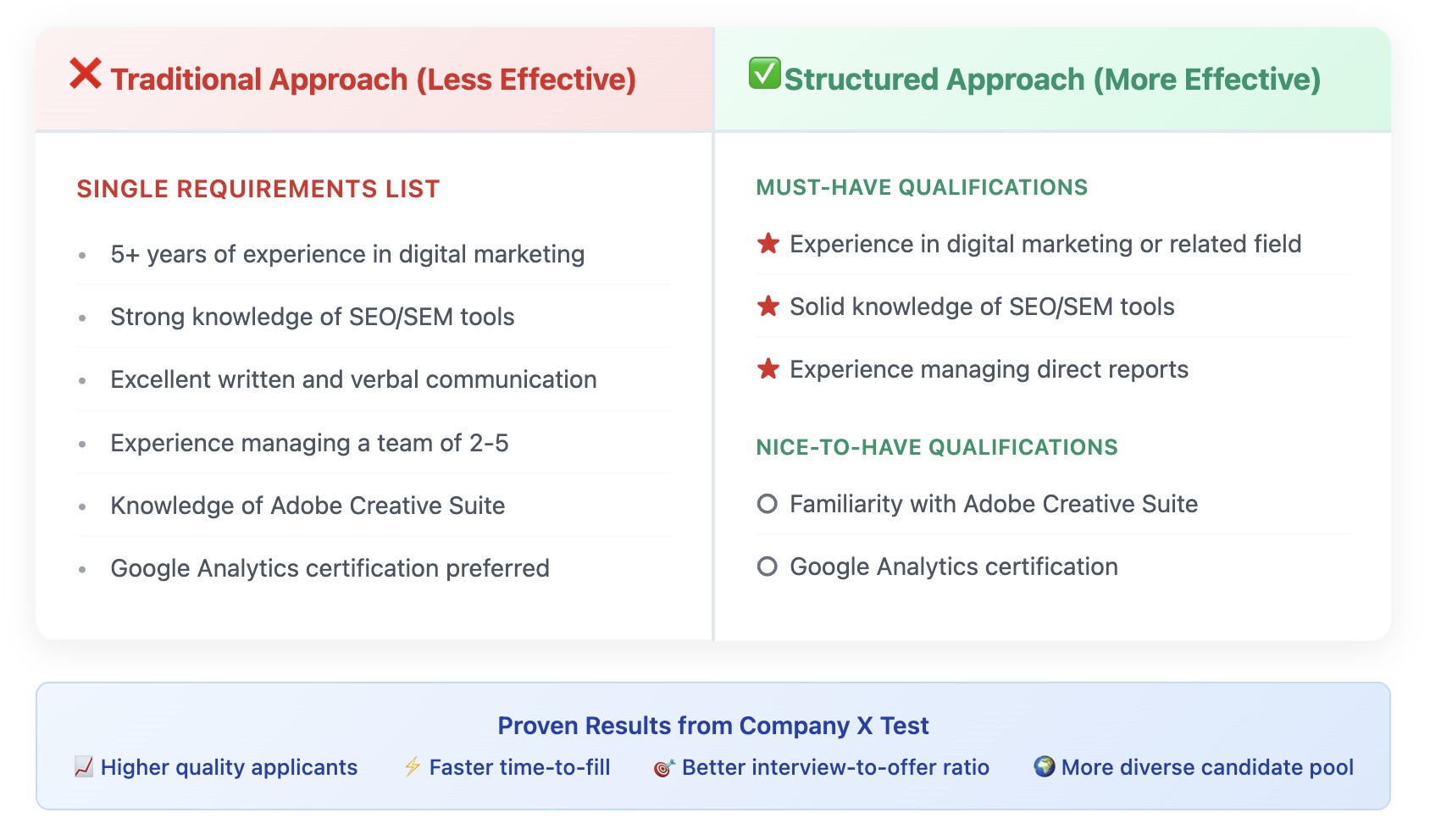
As AI technology advanced, it began to revolutionize various HR practices. One of the most significant changes was in recruitment and talent acquisition. AI tools started assisting in creating job postings that attract the right candidates and sorting through resumes more efficiently, a process complemented by platforms like Jobscan which HR departments can use to ensure their job postings align well with candidate resumes optimized for ATS. This not only sped up the hiring process but also helped in identifying the best candidates based on their skills and experiences.
Another area where AI made a big impact is employee onboarding and training. With AI, the onboarding process became more streamlined and personalized. New employees could receive training tailored to their specific needs and skills, making the process more effective and engaging. AI-driven programs could also handle routine administrative tasks, allowing HR staff to focus on more complex aspects of their roles.
Performance management also saw a transformation with AI. Instead of manual tracking, AI systems could analyze employee performance data, providing insights that were not easily noticeable before. This helped HR professionals in making more informed decisions about promotions, training needs, and even potential issues like employee burnout.
These innovations marked a significant shift in how HR departments operate. They moved from being heavily administrative to becoming more strategic and data-driven. AI’s ability to handle large amounts of data and identify trends played a crucial role in this transition, making HR practices more efficient and effective.
AI’s Impact on Strategic HR Decision-Making
AI’s introduction into HR has not just changed daily tasks; it’s also reshaped strategic decision-making. With AI, HR professionals can now analyze vast amounts of data to make informed decisions about the workforce. This includes understanding employee needs, predicting future staffing requirements, and even identifying potential leaders within the organization.
One key area where AI aids strategic decision-making is in workforce planning. Gartner predicts that by 2024, 52% of large enterprises will use AI in HR for talent management. AI algorithms can predict staffing needs based on company growth, employee turnover rates, and market trends. This helps HR departments prepare better for future hiring, ensuring they have the right people with the right skills at the right time.
AI also plays a crucial role in enhancing employee engagement strategies. By analyzing employee feedback and performance data, AI can identify what motivates employees, what training they need, and how to improve their job satisfaction. This leads to more effective employee engagement programs that are tailored to individual needs and preferences.
Case studies from various companies show the success of integrating AI into HR strategies. These examples highlight how AI has helped companies streamline their HR processes, improve employee satisfaction, and make better strategic decisions. These successes demonstrate AI’s potential to transform HR into a more data-driven and strategic function, crucial for the overall success of an organization.
Ethical Considerations and Challenges
As AI becomes more integrated into HR processes, ethical considerations must be at the forefront of its deployment. A significant ethical concern is the potential for AI to exhibit biases. While AI can streamline decision-making by analyzing vast datasets, the risk of inheriting biases from those datasets is real, potentially leading to discriminatory hiring or promotion practices. To combat this, HR departments must conduct regular audits of their AI tools to ensure they operate equitably. A study by McKinsey & Company highlights that 58% of HR executives recognize the importance of AI in reducing biases within recruitment and workplace decisions, underscoring the need for vigilant oversight in AI’s application in HR.
Another challenge is keeping employee data safe. AI systems in HR often handle sensitive information like personal details and performance records. It’s crucial to make sure this data is secure and private. HR professionals must work with IT experts to protect this information from cyber threats and ensure they’re following laws about data privacy.
Lastly, it’s important to remember the human touch in HR. While AI can handle many tasks, some things, like understanding employee feelings or resolving complex workplace issues, are best handled by people. Balancing AI efficiency with human judgment and empathy is key. HR professionals need to find the right mix of using AI for its strengths while keeping the human aspect in their work. This balance is essential for a workplace that respects and values its employees.
Final Thoughts
In conclusion, the rise of AI in HR has marked a significant shift in how we manage and understand the workforce. From the early days of automating simple tasks to now playing a key role in strategic decision-making, AI has proven to be a valuable asset in the HR field. It has made processes like recruitment, onboarding, and performance management more efficient and data-driven.
However, as we move forward, it’s crucial to address the ethical challenges and maintain the balance between technology and human interaction. Ensuring fairness, protecting employee data, and preserving the human element in HR are essential as we integrate more AI into these processes.
Looking ahead, the future of HR is bright with the possibilities that AI brings. It offers an opportunity for HR professionals to shift from administrative roles to more strategic ones, using data to make informed decisions that benefit the entire organization. Research by Accenture suggests that AI could increase productivity in HR by up to 45% by automating routine tasks and data analysis. As AI continues to evolve, so too will the role of HR, becoming more vital than ever in shaping the workforce of the future.