


Close Menu
Human Resources Mag
  • Home
  • News
  • Management
  • Guides
  • Law
  • Talents
  • Benfits
  • Technology
  • More
    • Web Stories
    • Editor’s Picks
    • Press Release
What's On

Atopic dermatitis: Why employers, HR professionals need to pay attention

November 6, 2025

Quebec Court redraws lines in dispute over Air Canada retiree perks

November 6, 2025

‘A Plan to Protect Ontario’ revealed: What does it mean for HR?

November 6, 2025
Facebook X (Twitter) Instagram
Human Resources Mag
Subscribe
  • Home
  • News
  • Management
  • Guides
  • Law
  • Talents
  • Benfits
  • Technology
  • More
    • Web Stories
    • Editor’s Picks
    • Press Release
Human Resources Mag
Home » Knowledge Management 101: Preventing a Knowledge Loss Crisis…
Benfits

Knowledge Management 101: Preventing a Knowledge Loss Crisis…

staffBy staffFebruary 5, 20252 Mins Read
Share Facebook Twitter Pinterest Copy Link LinkedIn Tumblr Email Telegram WhatsApp
Follow Us
Google News Flipboard
Share
Facebook Twitter LinkedIn Pinterest Email Copy Link

STEP 1. Tacit Knowledge vs. Explicit Knowledge: Setting the Foundation of KM

Explicit knowledge is knowledge that is easily shared and transferred through writing or speaking. It is information that is easily learned from talking to someone, reading a book, or looking something up online.

The explicit knowledge can be easily archived in a system according to a customizable structure. This saves businesses lots of time when onboarding new employees, for instance, which in turn boosts productivity. But most important of all, companies avoid high costs because knowledge transfer (see more on this below) increases the ability to plan strategically, and costly mistakes can often be avoided.

Tacit knowledge, also known as unique, is knowledge that is hard to transfer or pass along through writing or verbalization. It is developed through a person’s experiences, observations, and insights, and it requires shared activities to transfer or communicate that knowledge. If an employee with this type of knowledge leaves unexpectedly, it could very well lead to a crisis.

While both types of knowledge play a role in knowledge transfer, the most important (and most challenging) type to capture is tacit knowledge, because it requires more effort and interaction to acquire. For more information on explicit and tacit knowledge, read this blog.

Now that we’re clear about the types of knowledge, let’s discuss a critical component to the knowledge management process … the knowledge loss risk interview.

Follow on Google News Follow on Flipboard
Share. Facebook Twitter Pinterest LinkedIn Tumblr Email Copy Link

Related Articles

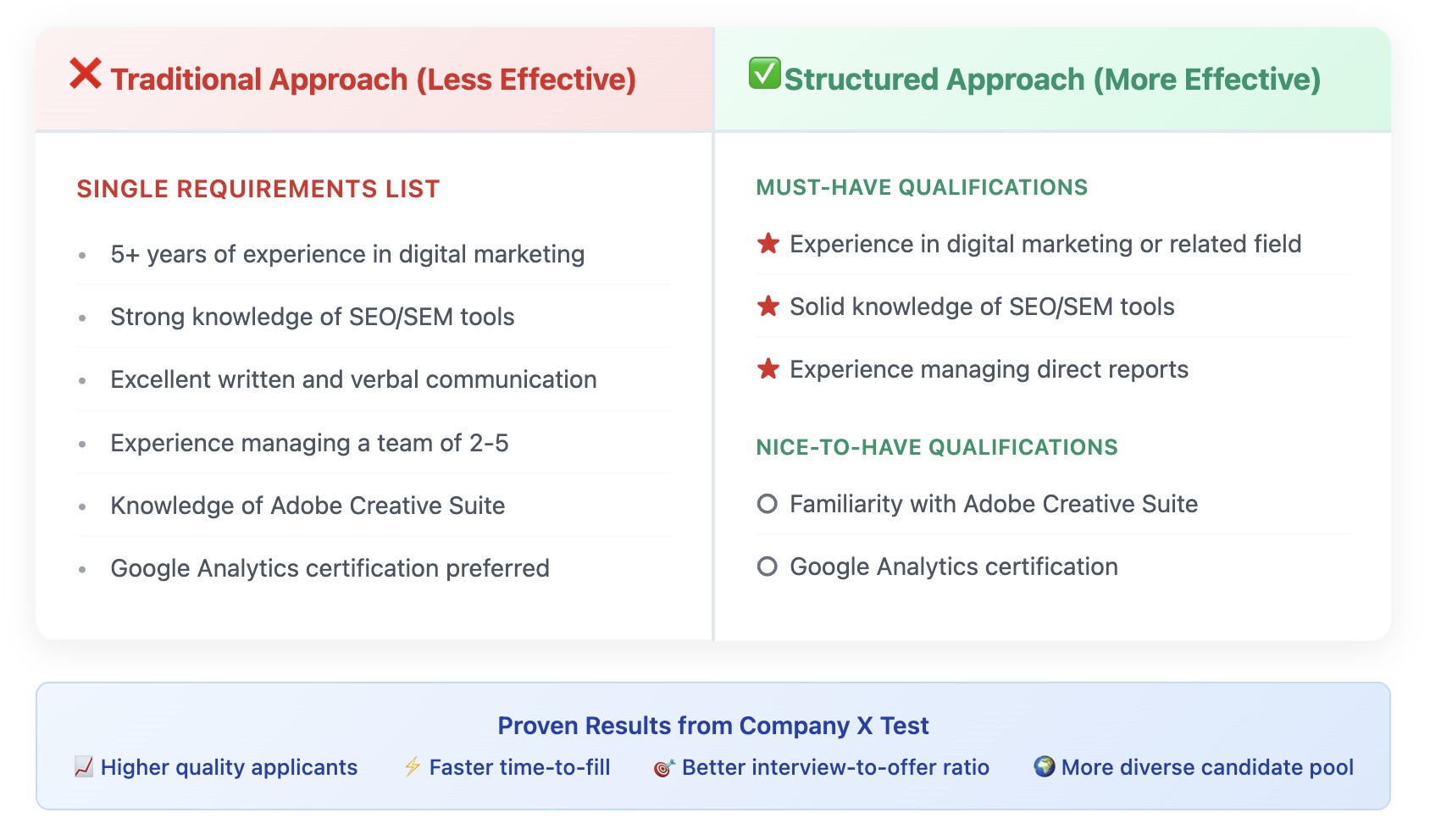
Mini Experiments: What If Your Job Description Requirements Are the Problem?

August 15, 2025 Benfits

How HR can adopt gen AI without losing the human touch

August 15, 2025 Benfits

How to Decide if a Candidate Deserves a Second Interview

August 15, 2025 Benfits

S&P Global’s employee strategy builds on human talent by investing in their skills and development in AI and beyond

August 14, 2025 Benfits

Changes Every Employer Must Know

August 14, 2025 Benfits

Embracing AI and automation in recruitment

August 14, 2025 Benfits
Top Articles

Accused of fraud, murder, fired exec awarded $500,000, 24 months’ notice

January 9, 2024101 Views

5 Best Learning Management Systems in 2025

February 11, 202595 Views

Canadian Tire store under investigation for alleged exploitation of temporary foreign workers

October 2, 202495 Views
Stay In Touch
  • Facebook
  • YouTube
  • TikTok
  • WhatsApp
  • Twitter
  • Instagram
Latest News

Atopic dermatitis: Why employers, HR professionals need to pay attention

staffNovember 6, 2025

Court clarifies notice and mitigation for short-tenured employees

staffNovember 6, 2025

Court clarifies notice and mitigation for short-tenured employees

staffNovember 6, 2025
Most Popular

Atopic dermatitis: Why employers, HR professionals need to pay attention

November 6, 20251 Views

Quebec Court redraws lines in dispute over Air Canada retiree perks

November 6, 20251 Views

‘A Plan to Protect Ontario’ revealed: What does it mean for HR?

November 6, 20251 Views
Our Picks

Atopic dermatitis: Why employers, HR professionals need to pay attention

November 6, 2025

Court clarifies notice and mitigation for short-tenured employees

November 6, 2025

Court clarifies notice and mitigation for short-tenured employees

November 6, 2025

Subscribe to Updates

Get the latest human resources news and updates directly to your inbox.

Facebook X (Twitter) Instagram Pinterest
  • Privacy Policy
  • Terms of use
  • Advertise
  • Contact Us
© 2025 Human Resources Mag. All Rights Reserved.

Type above and press Enter to search. Press Esc to cancel.