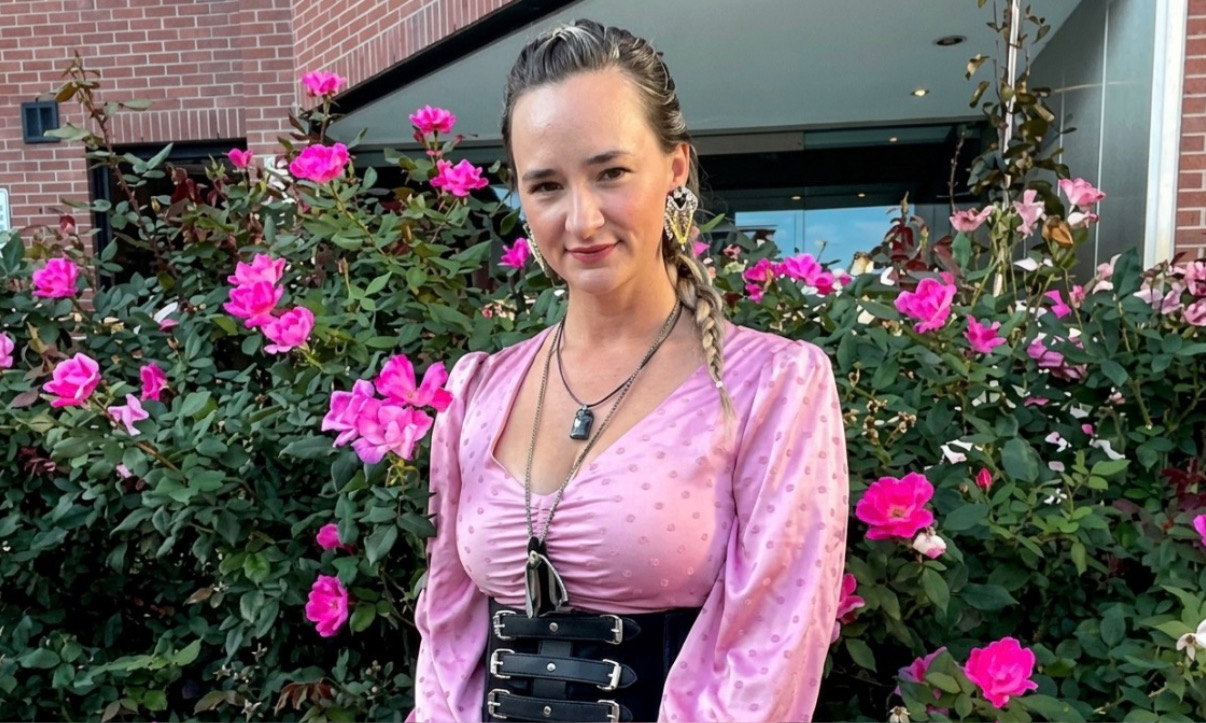




This interview is with Chris Hagood, Managing Principal at AstutEdge.
As an expert in Human Resources, can you tell us about your background and what led you to specialize in this field?
I’m a talent management strategist and Gallup-certified Strengths coach with a deep focus on the HR and People function. My career started at the intersection of organizational psychology and business strategy, which sparked my fascination with how workplaces shape human potential and how human potential shapes business outcomes. Over time, I saw too many organizations struggling with the same core issues: misaligned talent strategies, unclear leadership philosophies, and cultures that didn’t match the values printed on the walls. That pushed me to specialize in HR, not just as a function, but as a lever for sustainable competitive advantage. My path led me to advising mid-market and enterprise organizations, helping them navigate talent challenges, build resilient cultures, and unlock the kind of employee experience that fuels real results. It’s a field that constantly evolves, and I’m energized by helping leaders and teams evolve with it.
Could you describe a situation where you had to manage a difficult employee relations issue? How did you approach it, and what did you learn?
A few years ago, I was brought in to help an organization where a high-performing manager was creating significant tension on their team. Their results were impressive on paper, but their leadership style was abrasive, leading to turnover and growing complaints about psychological safety.
My approach started with listening. I conducted confidential interviews with the team to understand what behaviors were causing harm, and I met with the manager to share feedback in a way that focused on impact rather than blame. Together, we developed a performance improvement plan that included coaching, clear behavioral expectations, and regular check-ins.
What I learned was that performance metrics alone don’t define success. Leaders need both technical results and the ability to foster healthy, sustainable team dynamics. Addressing these issues quickly and directly can protect both people and business outcomes. It reinforced for me that HR’s role isn’t just policy enforcement but helping leaders grow and change when the stakes are high.
Can you share an instance where you had to navigate a complex organizational change? What strategies did you employ to ensure employee buy-in and smooth transition?
One of the more complex organizational changes I’ve supported involved a mid-sized company undergoing a significant restructuring to align with new market demands. Roles were changing, reporting lines were shifting, and there was understandable anxiety about job security and the future direction.
My first priority was transparency. We developed a communication plan that shared the “why” behind the change, not just the “what.” Leaders were coached to deliver messages with empathy, clarity, and consistency, and we created feedback channels so employees could ask questions and share concerns in real time.
Equally important was preserving trust. We identified “change champions” across departments, respected employees who could help explain decisions, model adaptability, and bring peer perspectives to leadership. We also paired communication efforts with practical support, like training programs for new roles and resources for managing stress.
What I learned is that even the best strategy can falter without buy-in. People don’t resist change itself as much as they resist feeling unseen or unheard during change. Keeping communication open and treating people as partners rather than bystanders makes all the difference.
In your view, what’s the most effective way to measure and improve employee engagement? Can you provide an example from your own experience?
To me, the most effective way to measure engagement combines both quantitative data and qualitative insights. Surveys provide useful benchmarks, but the real story often lives in the conversations and patterns you observe day-to-day.
One of my guiding principles is that engagement shifts based on leadership behavior, organizational clarity, and employees’ sense of growth and belonging. So, measurement should be regular, not episodic.
In one engagement project, we started with a well-designed survey to pinpoint where people felt disconnected. But we didn’t stop there. We followed up with small-group discussions to dig deeper into specific concerns, like lack of recognition and unclear career paths. From that feedback, we partnered with managers to implement targeted actions, such as recognition programs tailored to team preferences and clearer pathways for skill development and advancement.
The result wasn’t just a bump in survey scores, but visible changes in discretionary effort, collaboration, and retention.
What I’ve learned is that engagement improves when employees feel seen, heard, and invested in. Metrics are important, but the conversations and actions that follow are where change actually happens.
Looking ahead, what do you see as the biggest challenge facing HR professionals in the next five years, and how are you preparing to address it in your role?
The biggest challenge I see for HR professionals in the next five years is navigating the intersection of technology, trust, and talent equity. On one hand, AI and data-driven tools will become even more embedded in talent decisions from hiring to performance management. This promises efficiency, but it also raises questions about bias, transparency, and how to keep the human experience at the center of work. Employees are paying close attention to how organizations use technology, and any missteps can erode trust quickly.
Simultaneously, workforce expectations around flexibility, meaningful work, and inclusion will only intensify. People want workplaces that support their growth, mental health, and sense of belonging, without sacrificing fairness or authenticity.
In my role, I’m preparing for this by staying deeply informed on emerging technologies, engaging in conversations about ethical AI, and helping clients think proactively about talent strategy as both a business and a human imperative. I’m also advocating for continuous listening systems that surface real employee experiences, so organizations can respond in agile, thoughtful ways.
The HR profession is moving from being reactive to being strategic architects of the future of work. That’s the work I’m committed to leading.