While key economic metrics like the unemployment rate and gross domestic product look healthy, the reality is that many working people continue to struggle financially. Although the market is hovering near all-time highs, nearly four in 10 Americans don’t own a single stock.
Despite inflation trending downward and nearing the Fed’s annual target, the costs of gas, groceries and almost all household goods remain substantially higher than before the pandemic. Worse still, household debt has risen to a record level, personal savings rates have dropped substantially and nearly three-quarters of Americans, according to the American Psychological Association, say the economy is causing them significant stress.
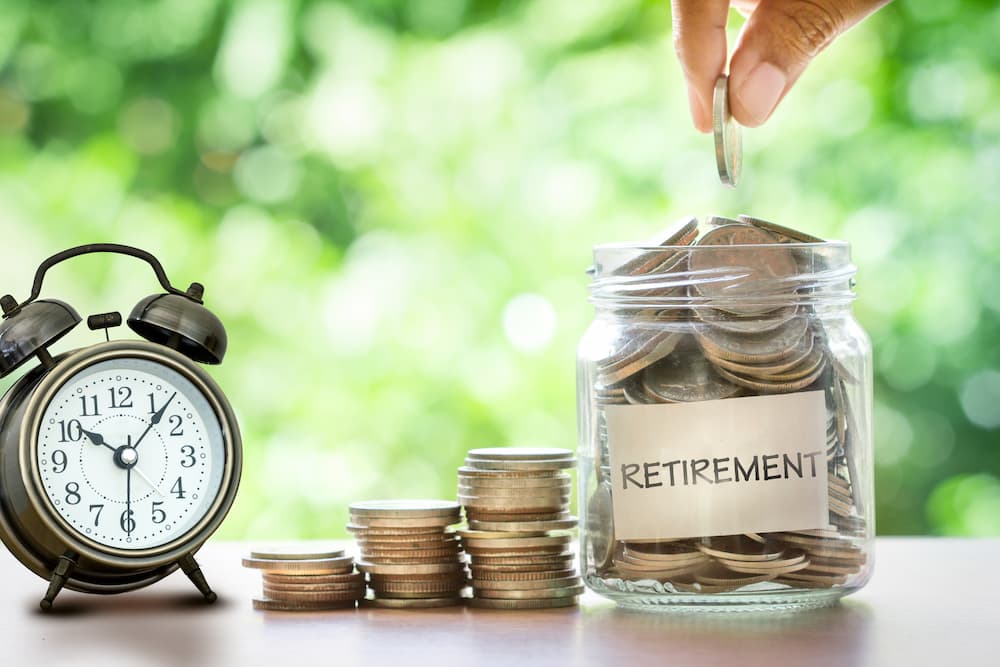
Although they face significant near-term affordability hurdles, a vast majority of people are still worried about achieving the ultimate goal: retirement. Even some of the economy’s youngest workers—Gen Z—are spending lots of time thinking about it, and, surprisingly, this concern has a strong link to their mental health today.
If employers are looking for a way to support these workers—and all workers worried about their retirement—the good news is that there are significant tools available to strengthen the benefits they offer. The better news is that our new research shows that if employers think big and act boldly, they can unlock enormous improvements to the wellbeing of their younger workers as well as boost the retention, engagement and productivity of an age group that’s critical to their success as an organization.
See also: Gen Z is taking over the workplace: 5 things HR leaders need to know
We recently conducted survey research to understand how better retirement policies by employers could meaningfully improve the health outcomes of workers across the country. The results show conclusively that new investments and stronger practices can yield broad and deep wellness benefits. Overall, 42% of Gen Z workers shared that if an employer simply increased their contributions each pay period, it would be extremely helpful to Gen Z’s mental health today. What’s more is that nearly a third said that an employer-provided financial literacy program would have the same level of benefit.
How policy innovation is helping Gen Z
The same is true for more innovative policies that are now possible because of recently passed laws. For example, the SECURE 2.0 Act allows employees to use retirement funds to make student loan payments without any penalties. Companies like Chipotle, Verizon and Abbot Laboratories are leveraging this option to offset employee withdrawals by contributing a matching amount back into their accounts. Four in 10 Gen Z workers said that this benefit would be extremely helpful to their mental wellbeing. Importantly, half shared that this benefit would enhance their workplace experience, and a third said that it would make them feel more valued by their employer.
The law also allows employers to incorporate in-plan or “sidecar” emergency savings accounts within the plans they offer to their employees, and it gives them the option to match employee contributions. UPS offers this benefit today through what’s called a Pension-Linked Emergency Savings Account. We found that, nationally, nearly 40% of workers under 30 would find such a program extremely helpful.
The benefits here extend well beyond economic considerations. Vast majorities of Gen Z workers say that these steps would help their mental health—north of 90% for increased employer contributions and emergency savings accounts, and over 80% for the student loan benefit and a financial literacy program. But it’s the magnitude of the impact—the “extremely helpful” part—that shows just how powerful new investments in retirement security can be for workforce wellbeing.
There are many paths toward helping with retirement, mental health for Gen Z
There are many other steps companies can take—some new, some tried and true—to help move the needle on both retirement and mental health. For example, Target eliminated its 90-day waiting period for new hires, allowing employees to start participating in retirement plans immediately. In addition, Starbucks extends access to retirement accounts to thousands of its part-time workers. For decades, the private grocery chain Publix has been offering an employee stock ownership program that improves the ability of its people to build wealth over time and eventually leave the workforce.
Gen Z is the latest generation to face an uneven start to retirement planning. If employers want to keep these and other employees loyal, engaged and motivated, they should begin by maximizing the economic and mental health gains that robust retirement benefits make possible. It’s not only the right thing to do, but it’s the smart thing to do.