



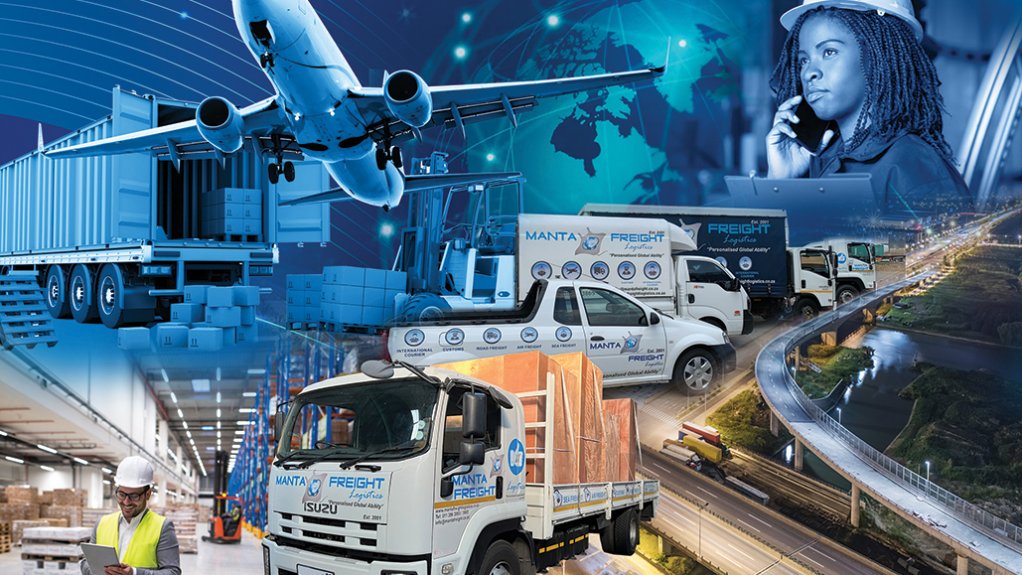
Artificial Intelligence (AI) is revolutionizing the logistics and transportation industry, making supply chains more efficient, cost-effective, and resilient. From route optimization and warehouse automation to predictive analytics and autonomous vehicles, AI is driving innovation and solving longstanding logistical challenges.
But how is AI improving logistics? AI-driven solutions are helping companies reduce costs, improve delivery speeds, enhance decision-making, and streamline operations.
For a detailed exploration of AI’s impact, read how AI is improving logistics and discover the latest trends and innovations in the industry.
1. AI-Powered Route Optimization and Smart Deliveries
AI is transforming delivery logistics by optimizing routes in real time. By analyzing:
✅ Traffic congestion patterns
✅ Weather conditions
✅ Fuel efficiency data
✅ Historical delivery times
AI-powered route planning helps companies reduce delays, cut fuel costs, and improve on-time deliveries.
🔹 Example: UPS’ AI-driven ORION system has helped save 10 million gallons of fuel annually by optimizing delivery routes, reducing operational costs significantly.
📌 With AI, logistics companies can predict delays before they happen, offering customers accurate delivery estimates and improving satisfaction.
2. AI in Warehouse Automation and Robotics
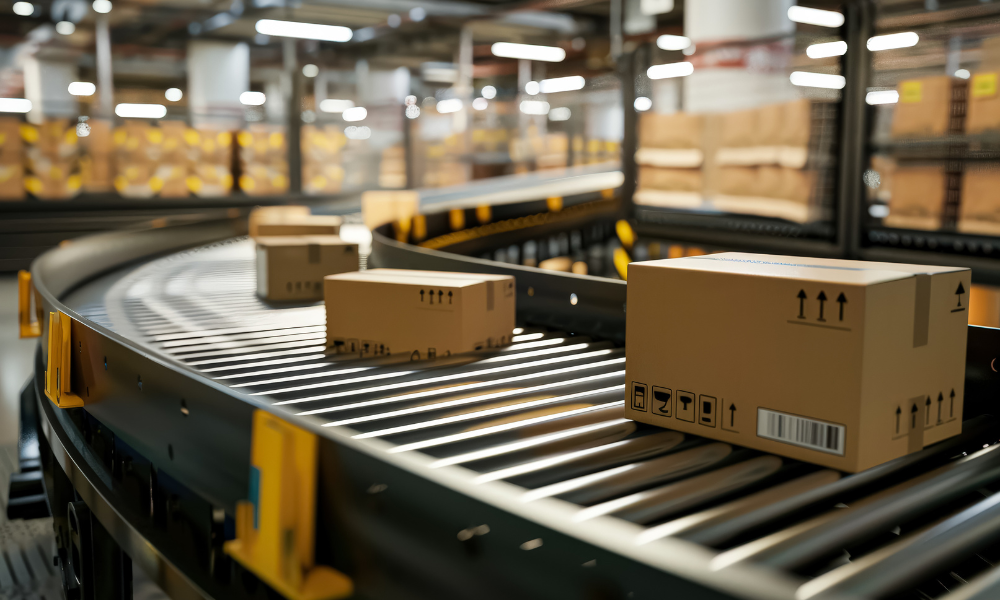
Modern warehouses are leveraging AI-driven automation to:
🔸 Pick and pack orders efficiently
🔸 Sort and store inventory in real-time
🔸 Enhance inventory tracking and management
How AI is improving logistics in warehouses:
- Robotic Process Automation (RPA): AI-powered robots handle repetitive tasks, improving productivity.
- IoT & AI: Smart cameras and sensors track inventory, reducing losses due to mismanagement.
- Automated Guided Vehicles (AGVs): These AI-powered vehicles move goods autonomously within warehouses.
📌 Amazon’s fulfillment centers use 520,000+ AI-powered robots, drastically reducing order processing times.
3. AI-Powered Demand Forecasting in Logistics
AI enables companies to predict supply chain needs accurately, reducing inventory shortages and overstocking.
💡 AI analyzes:
✔ Customer demand trends
✔ Seasonal purchase patterns
✔ Economic indicators and disruptions
📊 Walmart uses AI to manage 150,000+ inventory items in real time, reducing stockouts and improving supply chain resilience.
By applying machine learning (ML) algorithms, businesses can optimize supply chains, preventing costly inefficiencies.
4. AI for Fraud Detection and Risk Management in Logistics
AI enhances security and transparency in logistics by detecting fraud and reducing supply chain risks. AI-powered tools:
🚨 Identify suspicious delivery patterns
🚨 Prevent cargo theft and lost shipments
🚨 Use blockchain and AI for secure transactions
📌 Maersk has integrated AI-driven cybersecurity to safeguard its global supply chain from cyberattacks and fraud.
🔍 AI’s role in securing logistics operations is growing.
5. Autonomous Vehicles and AI-Driven Drones
Self-driving trucks and AI-powered delivery drones are shaping the future of transportation logistics.
How AI-powered vehicles are transforming logistics:
🚚 Self-Driving Trucks: Reduce labor costs and driver fatigue, improving road safety.
🚁 AI-Driven Drones: Provide faster last-mile deliveries, especially in high-traffic urban areas.
📊 Smart Fleet Management: AI analyzes vehicle performance, driver behavior, and fuel consumption for optimization.
📌 Tesla and Waymo are pioneering AI-powered trucks, reducing delivery times and logistics costs.
6. AI-Powered Chatbots for Customer Service
AI chatbots are enhancing customer support by:
💬 Providing instant tracking updates
📞 Managing customer inquiries 24/7
🚚 Predicting and preventing shipment delays
📌 FedEx’s AI-driven SenseAware system offers real-time shipment tracking, improving transparency and trust.
🤖 AI-driven customer service is revolutionizing logistics
7. The Benefits of AI in Logistics
🔹 Cost Reduction: AI automation reduces labor and fuel costs.
🔹 Efficiency: AI eliminates manual errors, improving productivity.
🔹 Sustainability: AI-driven fuel-efficient logistics reduce carbon footprints.
🔹 Resilience: AI-powered predictions help mitigate supply chain disruptions.
8. Challenges of AI Implementation in Logistics
🚧 High Initial Investment: AI-powered solutions require significant upfront costs.
🚧 Workforce Adaptation: Employees need AI training and reskilling.
🚧 Regulatory Challenges: Autonomous vehicles and AI-driven logistics face legal and safety barriers.
Despite these challenges, AI’s impact on logistics is undeniable—it’s the future of supply chain optimization.
📌 Stay ahead by understanding how AI is improving logistics.
9. The Future of AI in Logistics
The future of logistics will be AI-driven, data-powered, and highly automated. Expect:
🔮 Fully AI-powered warehouses
🔮 Predictive and real-time logistics management
🔮 AI-driven customer experience enhancements
🚀 Companies that integrate AI early will lead the future of logistics.
Final Thoughts
AI is redefining logistics by enhancing efficiency, reducing costs, and improving customer satisfaction. Companies that embrace AI-powered logistics solutions will gain a competitive edge.